1. The Taj Mahal, Agra
Integrating numerous components of Islamic plan including curves, minarets, an onion-formed arch, and dark calligraphy decorated around the entry, the Taj Mahal is generally developed of white marble. Adding to its wonder are fragile trimmed flower designs and valuable and semi-valuable stones like jade, lapis lazuli, jewels, and mother of pearl
Maybe India’s most unmistakable structure, the Taj Mahal is likewise the world’s well known declaration to the force of affection. Named after Mumtaz Mahal, the most loved spouse of Sovereign Shah Jahan, this generally gorgeous of catacombs was started upon her passing in 1631 and took 20,000 workers until 1648 to finish.
The best opportunity to visit is either at day break or nightfall when the air is splendidly modified by the adjustment of lighting. In the event that conceivable, attempt to get a perspective on the Taj Mahal’s appearance from the furthest bank of the Yamuna Stream it makes for a vital (and safe) selfie.
2. The Holy City of Varanasi
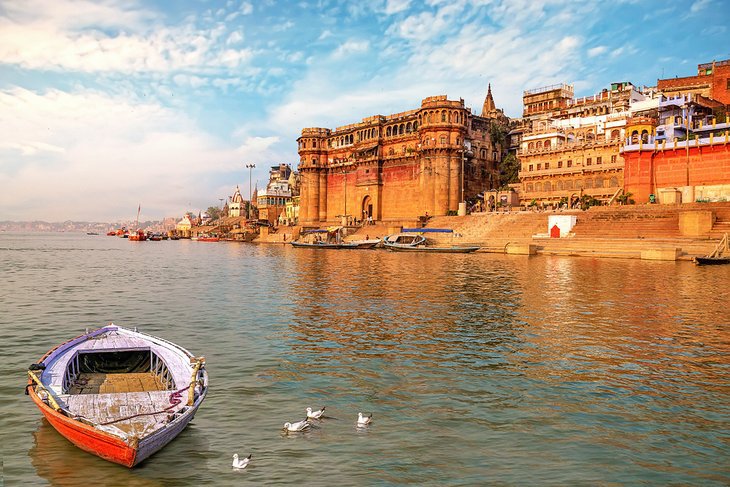
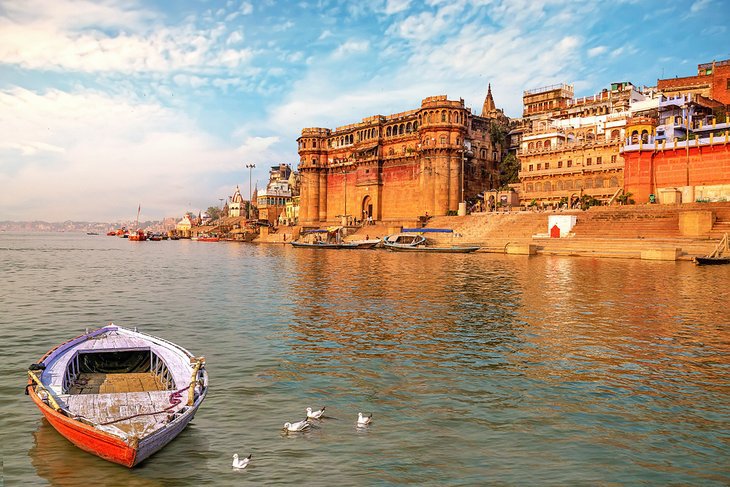
Dating back to the 8th century BC, Varanasi is one of the oldest still inhabited cities in the world. A major pilgrimage center for Hindus, this holy city has long been associated with the mighty Ganges River, one of the faith’s most important religious symbols.
3. Harmandir Sahib: The Golden Temple of Amritsar
Founded in 1577 by Ram Das, Amritsar is an important hub of Sikh history and culture. The main attraction here is Harmandir Sahib, opened in 1604 and still often referred to as the Golden Temple for its beautiful gold decoration.
4. The Golden City: Jaisalmer
So named for the yellow sandstone used in most of its buildings, the Golden City of Jaisalmer is an oasis of splendid old architecture that rises from the sand dunes of the Thar Desert. Once a strategic outpost, today the city is filled with splendid old mansions; magnificent gateways; and the massive Jaisalmer Fort, also known as the Golden Fort, a daunting 12th-century structure that rises high above the town.
5. The Red Fort, New Delhi
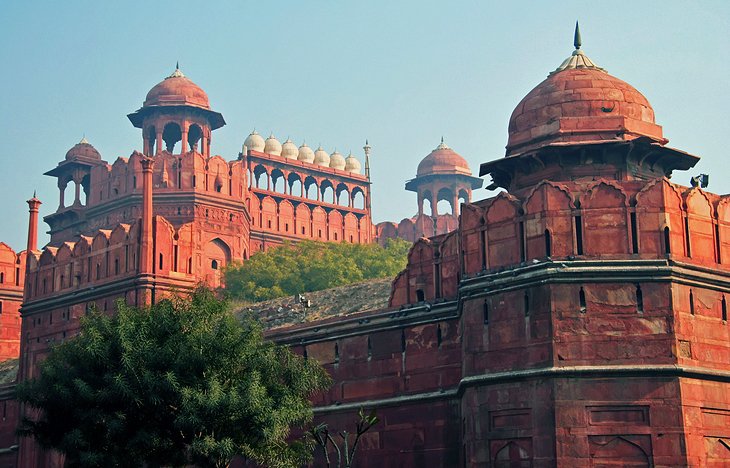
Built by Shah Jahan in 1648 as the seat of Mughal power – a role it maintained until 1857 – the magnificent crescent-shaped Red Fort in New Delhi, named after the stunning red sandstone used in its construction, covers a vast area of more than two square kilometers, all of it surrounded by a large moat.
6. Mumbai: The Gateway of India
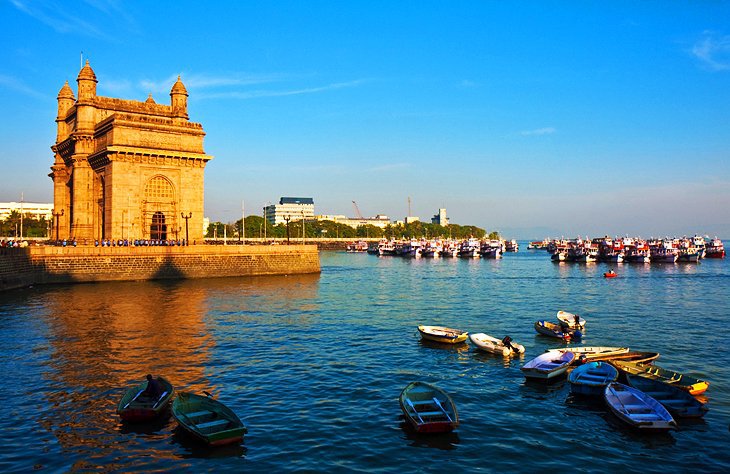
Standing an impressive 26 meters tall and overlooking the Arabian Sea, the iconic Gateway of India is a must-see when in Mumbai. Built to commemorate the arrival of King George V and his wife Queen Mary in 1911, this stunning piece of architecture was opened with much pomp and ceremony in 1924 and was, for a while, the tallest structure in the city.
7. Mecca Masjid, Hyderabad
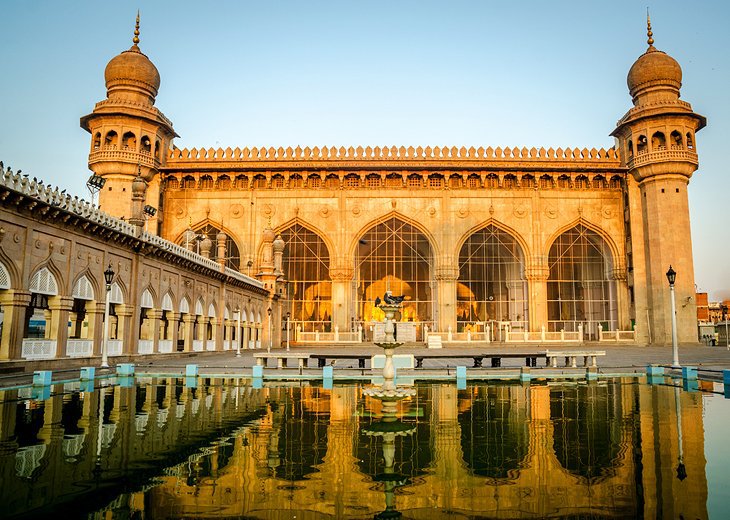
Construction of Hyderabad’s Mecca Masjid, one of the world’s largest mosques – and one of the oldest in India – began in 1614 during Mohammed Quli Qutub Shah’s reign and took almost 80 years to complete.
Large enough to accommodate 10,000 worshipers, this beautiful mosque’s 15 enormous arches and pillars were each wrought from single slabs of black granite dragged to the site by huge cattle trains reputedly consisting of up to 1,400 bulls.
8. Amer Fort, Jaipur
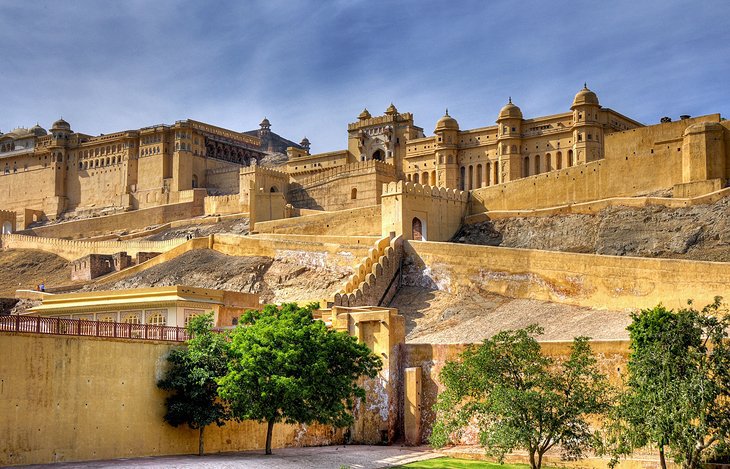
Amer Fort (often also spelt “Amber”) was built as a fortified palace in 1592 by Maharaja Man Singh I and has long served as the capital of Jaipur. Carved high up into the hillside, the fort is accessible on foot via a steep climb or by shuttle rides from the town below (better still, let an elephant do the work).
9. The Beaches of Goa
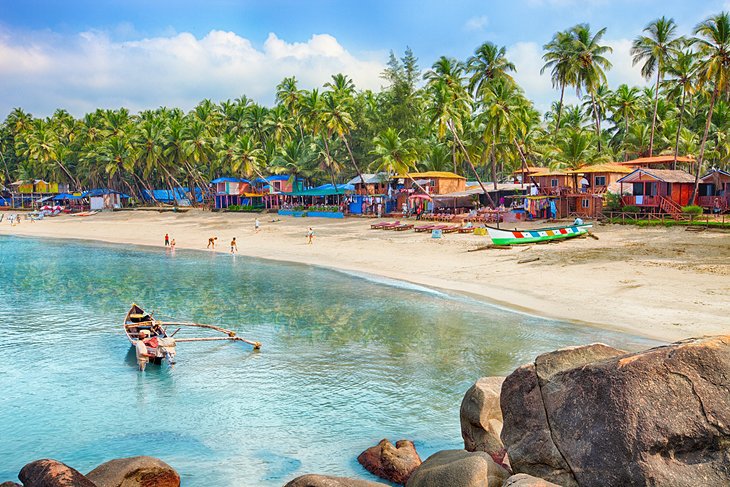
Long known within India as the “go-to” destination for those seeking a great beach holiday, Goa’s beautiful western coastline, overlooking the Arabian Sea, has only recently been discovered by tourists from overseas. Goa’s more than 60 miles of coastline is home to some of the world’s loveliest beaches, each with their own particular appeal.
10. Periyar National Park and Wildlife Sanctuary, Madurai
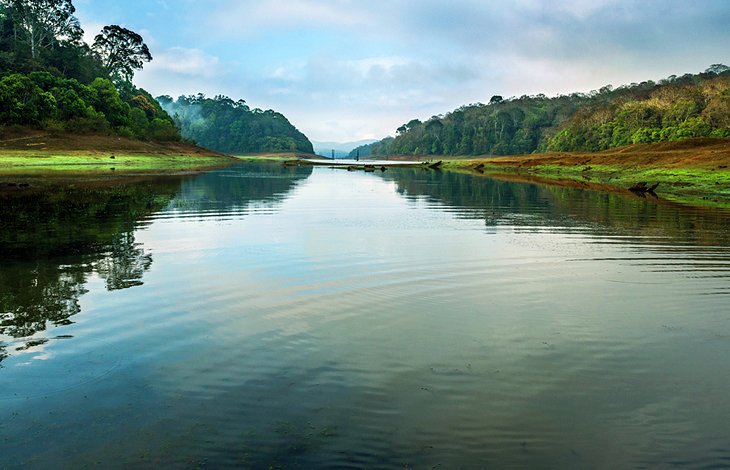
One of South India’s most popular tourist attractions, Periyar National Park and Wildlife Sanctuary is centered around a lake built by British engineers in 1895 for irrigation and to provide water to the city of Madurai.
Established in 1934, this beautiful park is home to numerous species of mammals, including a large free-roaming Indian elephant population, wild boar, otters, the lion-tailed macaque, and more than 20 Bengal tigers. Bird-watching is a popular activity with frequent sightings of species such as darters, storks, kingfishers, hornbills, and racket-tailed drongos, along with many interesting varieties of butterflies.
11. Agra Fort
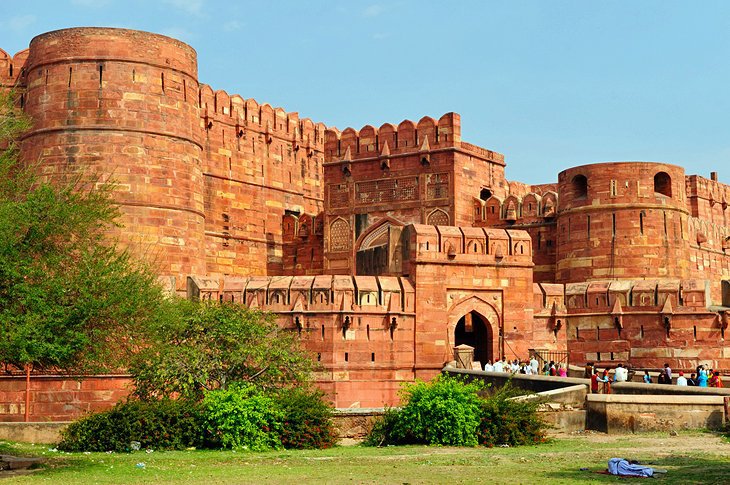
Built as a military structure in 1565 by Emperor Akbar with later additions by Shah Jahan, the stunning Agra Fort (also known as Agra’s Red Fort) is an interesting mix of both Hindu and Muslim influences.
Located a little more than two kilometers from the Taj Mahal, the fort is entered through Amar Singh Gate with its low outer wall and dogleg design built to confuse attackers. Once inside, you’ll see two large interlinked sandstone buildings, Akbari Mahal and Jahangiri Mahal, the largest private residence in the complex.
12. The Ellora Caves, Aurangabad
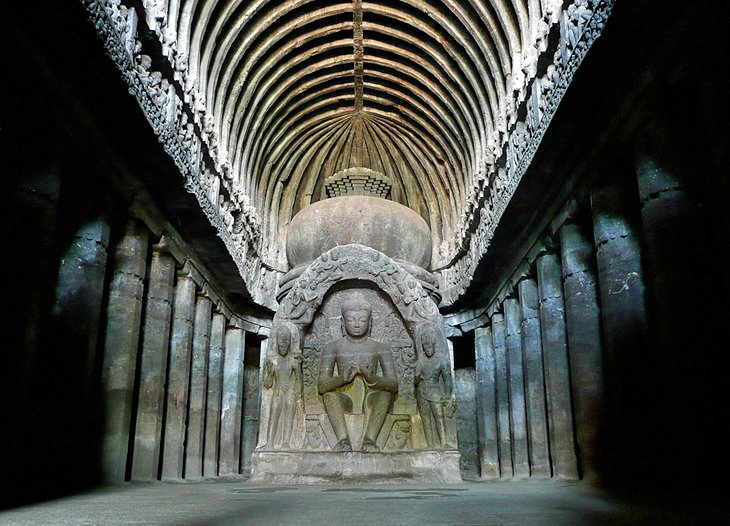
The famous monumental Ellora Caves were built between the 5th and 10th centuries by Buddhist, Jain, and Hindu monks, and make for an excellent excursion from Mumbai, some 300 kilometers to the west.
13. Mehrangarh Fort, Jodhpur
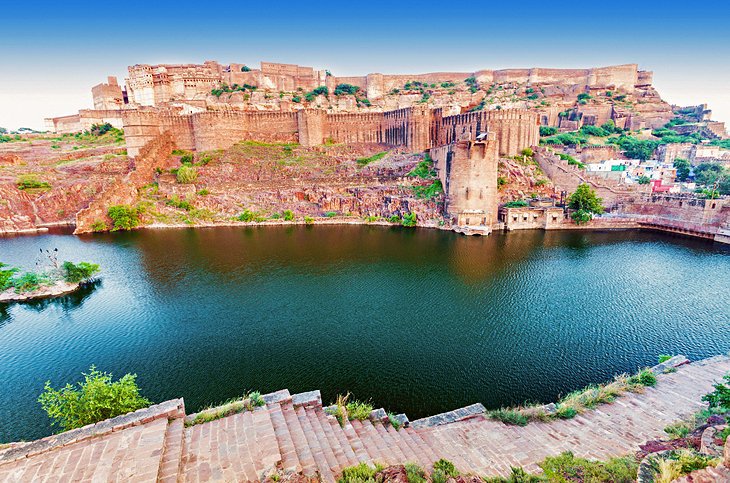
Dominating the old city of Jodhpur, the massive Mehrangarh Fort, one of the largest fortifications in India, was built in the 15th century to safeguard the people of the famous “Blue City.” Jodhpur is still known by this name, which is derived from its indigo-colored houses, painted blue to deflect the heat.Dominating the old city of Jodhpur, the massive Mehrangarh Fort, one of the largest fortifications in India, was built in the 15th century to safeguard the people of the famous “Blue City.” Jodhpur is still known by this name, which is derived from its indigo-colored houses, painted blue to deflect the heat.Dominating the old city of Jodhpur, the massive Mehrangarh Fort, one of the largest fortifications in India, was built in the 15th century to safeguard the people of the famous “Blue City.” Jodhpur is still known by this name, which is derived from its indigo-colored houses, painted blue to deflect the heat.
14. The Ganges River
The Ganges River, or “Ganga” after the Hindu goddess, has long been one of India’s most revered natural wonders. It’s also one of the country’s leading attractions, drawing crowds of Indian nationals to partake in its religious ceremonies, as well as tourists to enjoy the splendor of this mighty river.
15. Mysore Palace
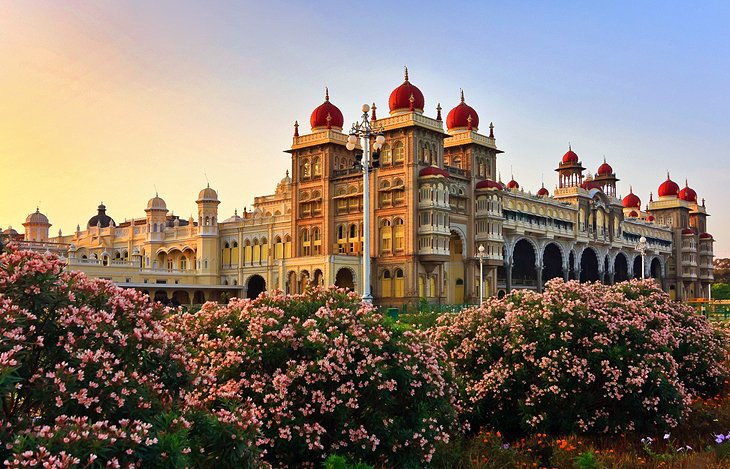
The sprawling city of Mysore is a delight to explore thanks to its eclectic mix of fine old colonial architecture; regal Indian palaces; and lush, well-manicured gardens. While those inclined towards shopping will enjoy spending time in the city’s famous silk and sandalwood bazaars, the main attraction is magnificent Mysore Palace.
16. Mahabodhi Temple, Bodhgaya
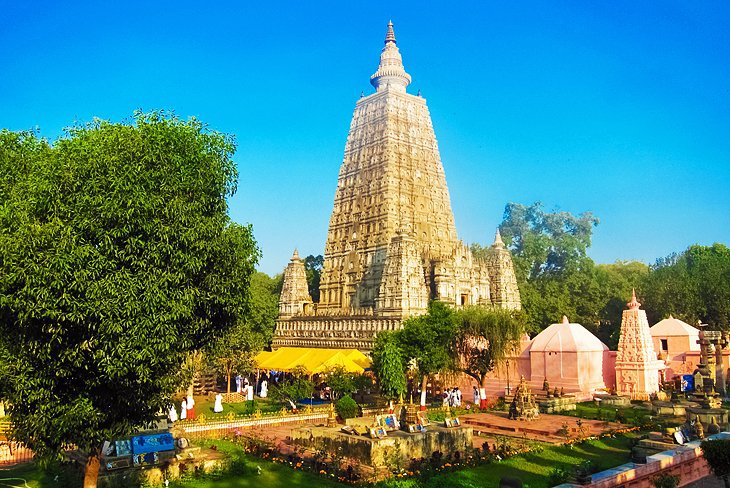
Bodhgaya, considered the world’s holiest Buddhist site, attracts thousands of visitors each year, all drawn to participate with the resident monks in meditation and prayer.
The focal point of this place of pilgrimage is stunning Mahabodhi Temple, built next to the very spot where Buddha came to Enlightenment and formulated his philosophy on life. Constructed in the 6th century and restored numerous times since, the temple is topped with a beautiful pyramidal spire and houses a large gilded statue of Buddha.Thanking you follow and support my blog for more
 Abdul_travel